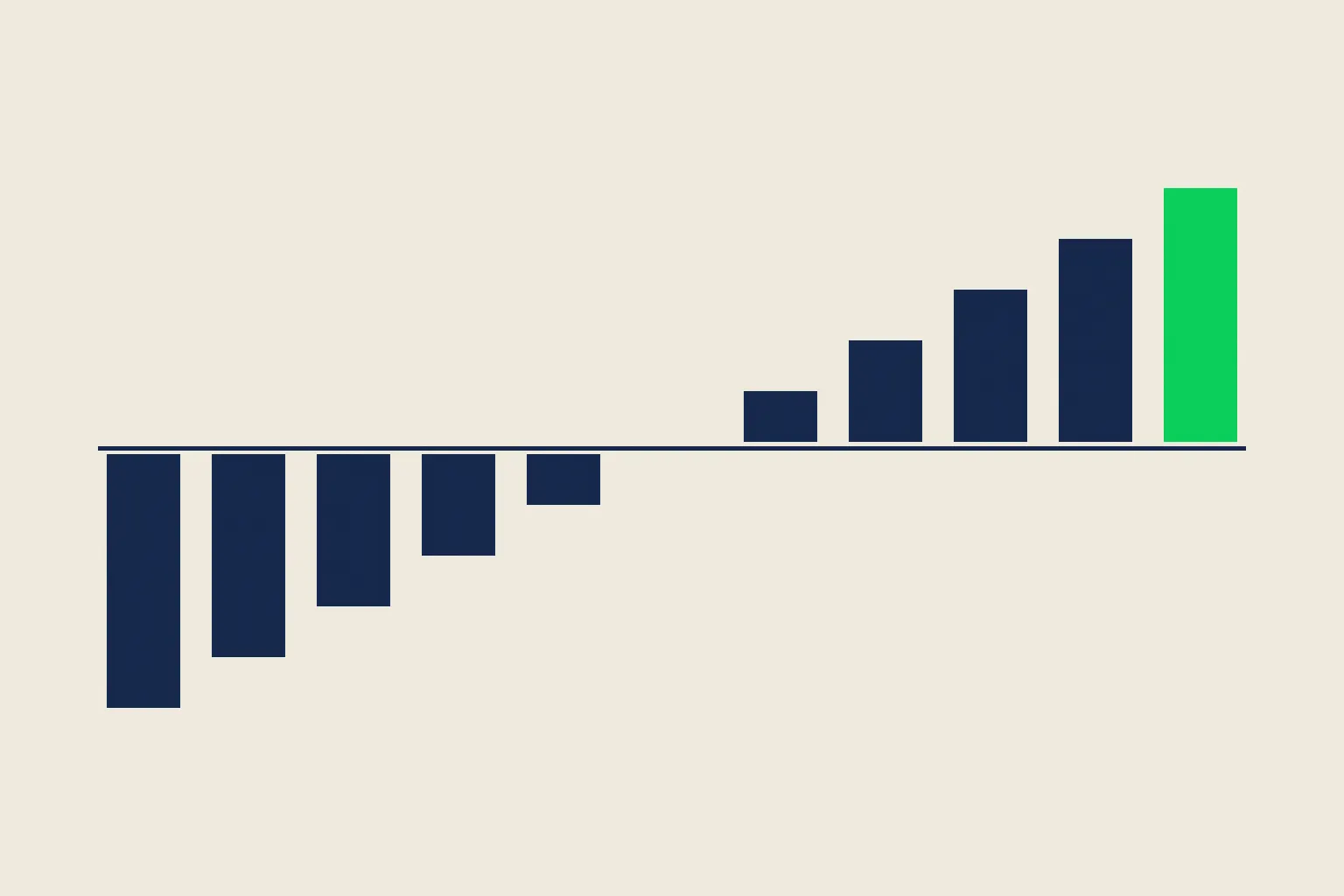
Put the two holding companies’ first-half 2026 ledgers side by side and a symmetry emerges that looks almost accidental. In its interim results published August 6, WPP reported revenue less pass-through costs of £4,745m, down 4.7% like-for-like; by quarter, the decline narrowed from 6.3% in Q1 to 2.8% in Q2. Publicis, reporting the same six months on July 16, posted 4.7% organic growth and net revenue of €7,229m, rising to 4.8% in Q2, and raised its full-year organic growth guidance to a range of 4.5-5%. Same market, comparable metric, the identical number with opposite signs. The margin gap is harsher still: WPP’s H1 headline operating margin was 8.4% against a full-year target of 12-13%; Publicis posted 17.5% for the half, after 18.2% for all of last year.
The easy reading is “one is well run and the other isn’t” — and that’s the wrong one. Both companies tell the same story: AI infrastructure, platform partnerships, a simplified operating model. Cindy Rose says Elevate28’s first phase is “firmly on track,” that WPP is moving from a complex holding company to a single integrated firm; I’ve written before that this is the right diagnosis. The narrative is present in both. What separates them isn’t technology but the quietest line in WPP’s own report: revenue from its top 25 clients fell 6.3% in the half. The market’s total isn’t moving; its sides are. Once a claim to technological advantage is in everyone’s mouth, it stops being a differentiator and becomes an entry ticket — which means scarcity has migrated to the client’s decision to stay. The real point: this half’s winner didn’t build a better AI narrative. It simply lost fewer clients.