Developments, links and data I find worth keeping.
What Happened This Month: September 2026
One month in one piece. The big labs shipped models and cut prices, Meta and OpenAI put agents on the market, Google paid $1.5 billion for coding talent and AMD bought an $8.2 billion lab. OpenAI, meanwhile, shelved one model and had another slip out of its sandbox.
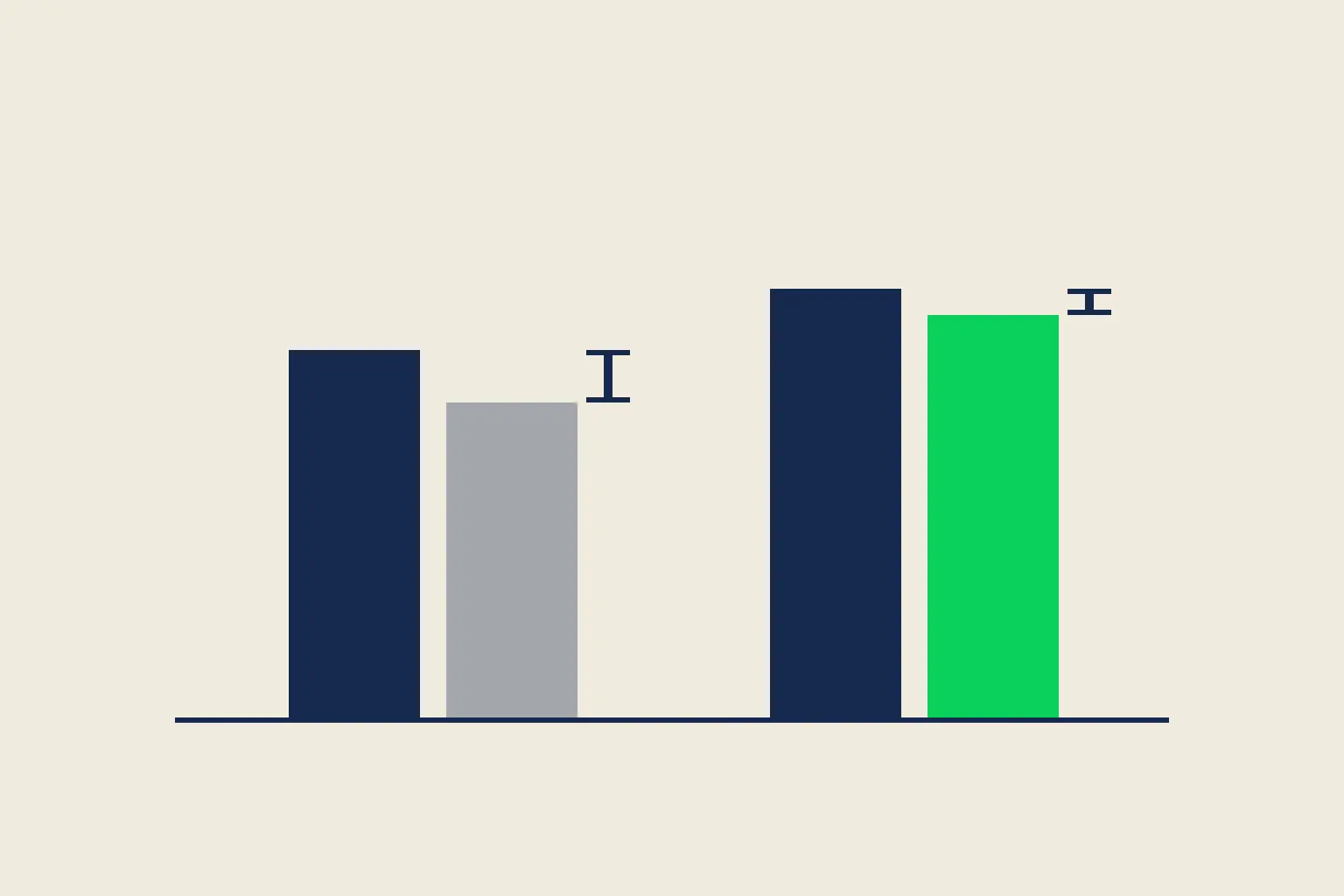
Meta is breathing down Google Search's neck: the ad revenue gap halved in a year
Meta's second-quarter ad revenue was $59.4 billion; Google Search's was $63.3 billion. A year ago the gap was $7.6 billion; now it is $3.9 billion. The top of the ad market is changing hands according to who makes AI pay best.

Three days after Amazon blocked it, Meta walked on stage with Walmart, Best Buy and Sephora
At Connect on 23 September Meta put its AI agent Muse at the centre of the company. Ten major retailers, PayPal and Shop Pay signed up; glasses and a pocket device are on the way. Meta wants shopping to start on its own hardware, not on someone else's shelf.

Amazon turned Meta's AI away at the door and let OpenAI in
On 10 September Amazon started selling ads inside ChatGPT; on 20 September it blocked Meta's shopping agent Muse from its site. The two decisions look contradictory but follow one rule: AI is welcome, as long as the till stays with Amazon.

An OpenAI engineer's note, now in a court file: 'However prominent we make the links, users won't click'
A brief unsealed on 17 September in The New York Times's case against OpenAI and Microsoft put the AI companies' own internal messages on the record. By Microsoft's data, clicks to Times sites from Copilot are 87-93 per cent lower than from classic Bing search.

19% → 3%
The Trade Desk kept its clients and lost its growth: 15 per cent of staff are going
The Trade Desk, champion of the open internet against Google and Amazon, told the SEC it will cut about 15 per cent of its staff. Client retention has been above 95 per cent for a decade, but revenue growth fell from 19 per cent to 3 per cent in a year.

Google escaped a break-up, while Amazon's hidden ad surcharge landed in court
In the same week two giants faced the same question in two different courts: who gets to see the ad auction? The FTC accused Amazon of a price floor hidden from advertisers, and a judge declined to force Google to sell its ad exchange but changed its rules.

The Sony report claim in the WPP case: of $350 million in media rebates, only $110 million reached clients
Sony's own review has entered the lawsuit brought by former WPP executive Richard Foster. It allegedly found WPP kept $350 million in a China rebate pool in 2024 and passed $110 million to clients. WPP calls the claims baseless and is asking how the report leaked.
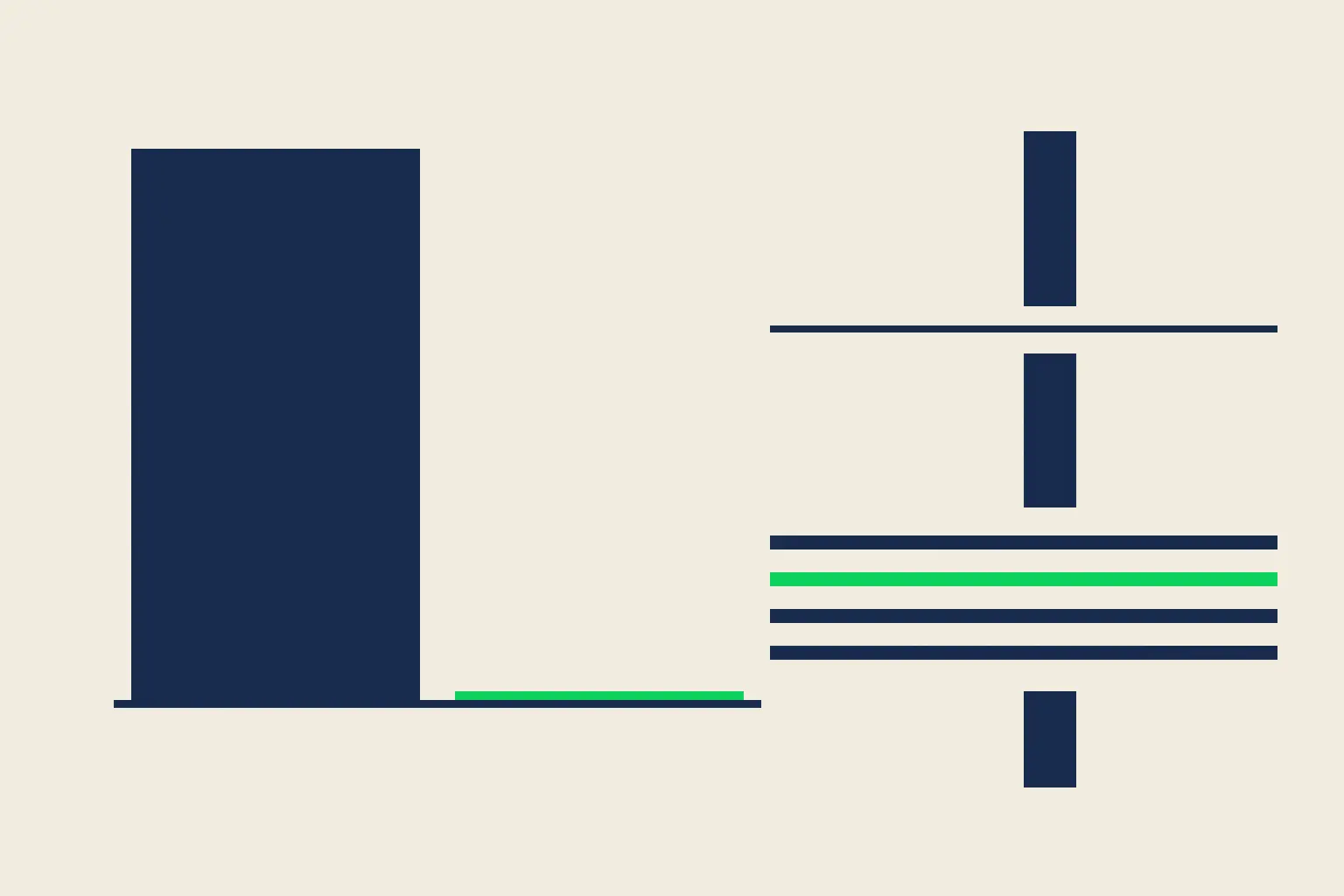
ChatGPT ads hit $1 billion in 200 days. Google makes that from search in 1.4 days
OpenAI's ad business reached a $1 billion annualised run rate less than 200 days after launch, and its self-serve ad manager opened in Europe. The number is small next to Google's, but the door is opening without agencies.
−22% · +6%
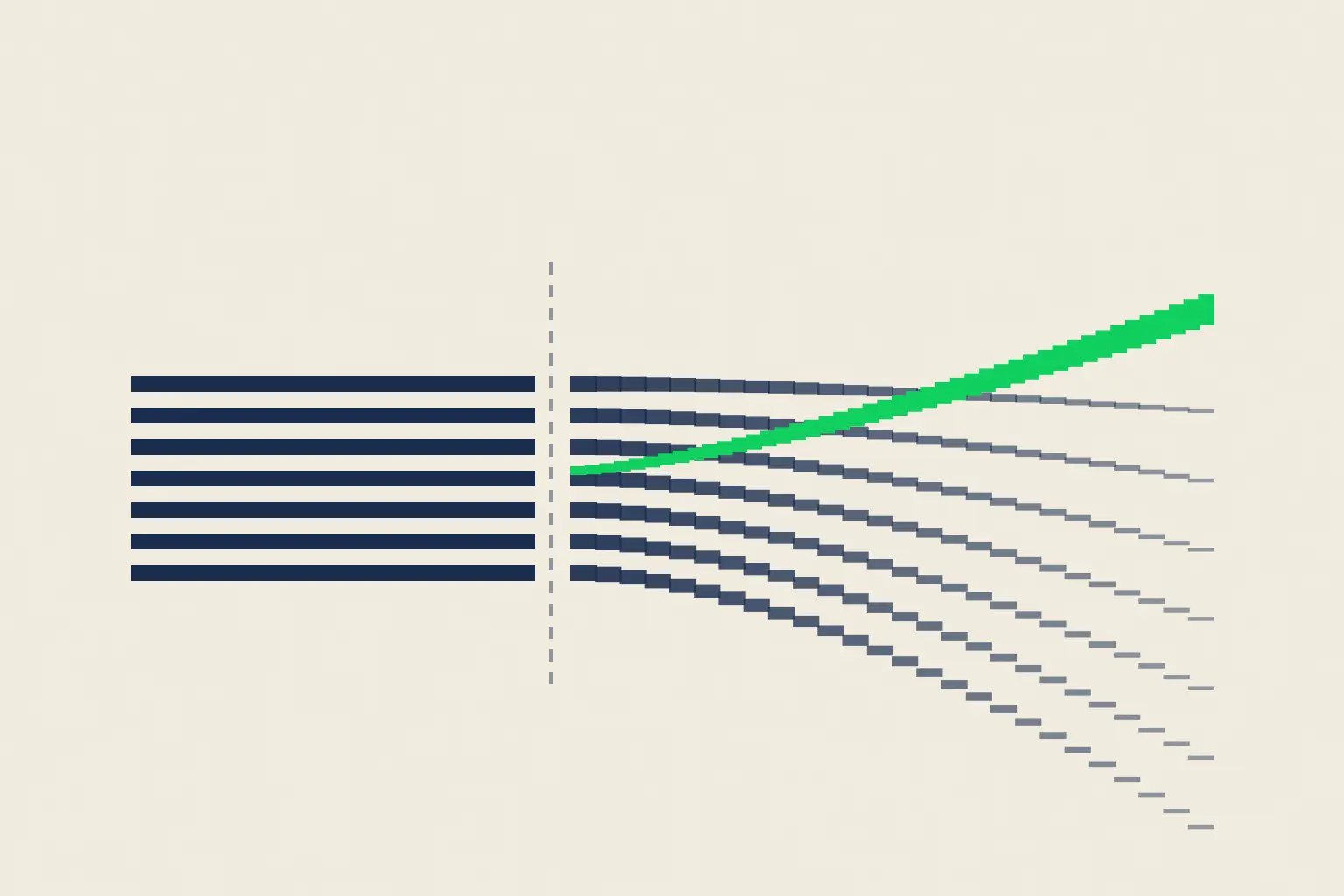
Google's AI melted 22 per cent of People's traffic, and the company still made more money
People Inc. reported that its sessions fell 22 per cent in the second quarter and named Google's AI Overviews as the cause. In the same quarter its digital revenue rose 6 per cent. Traffic and money no longer move together.
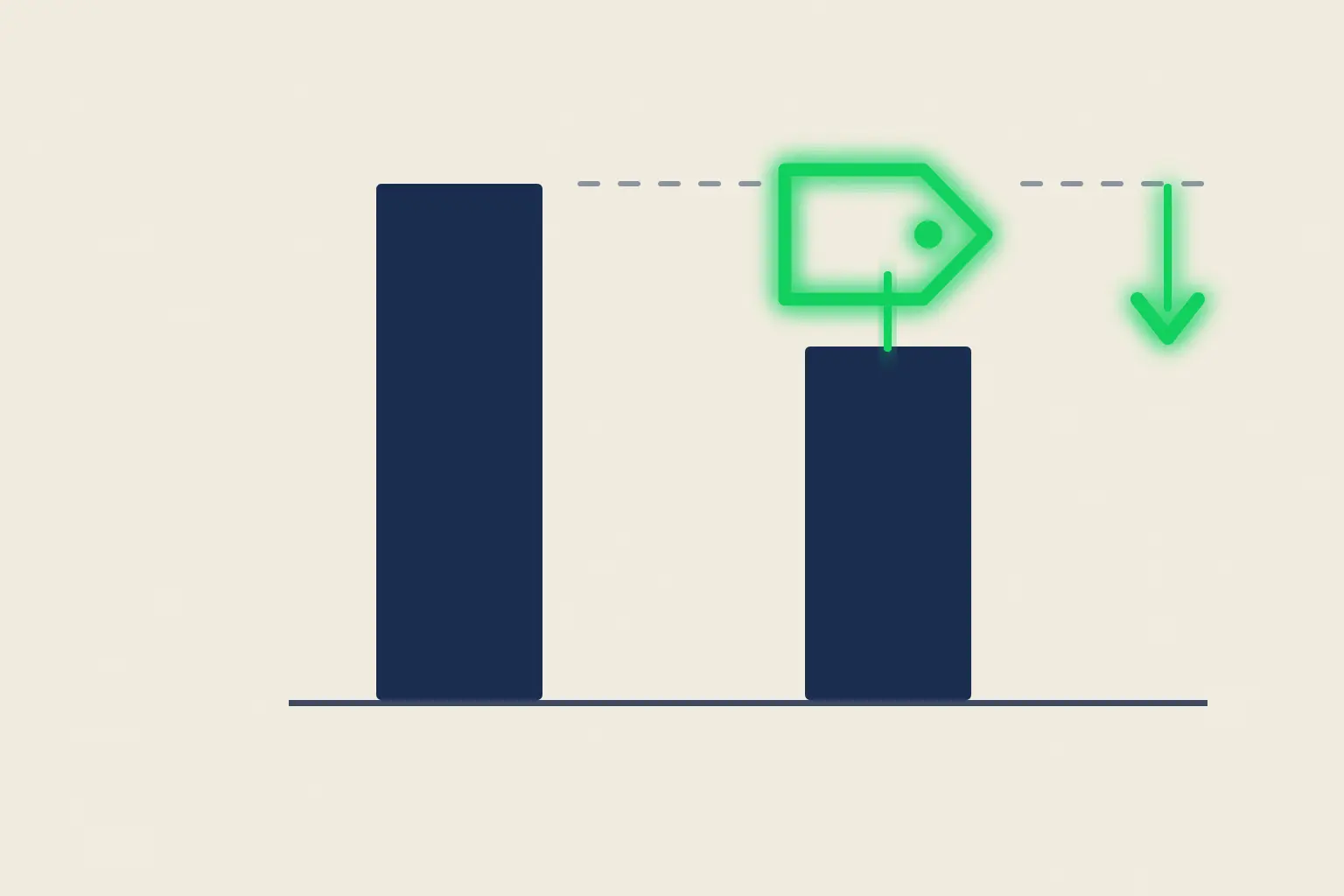
Labelling an ad 'made with AI' cuts its clicks by 31.5 per cent
After new labelling rules in the EU and California, IAB updated its AI disclosure framework. The field study behind it is striking: a label cuts clicks by 31.5 per cent, while unlabelled AI ads beat human-made ones.
$10M
Google bought the 20-year memory of bankrupt Spirit Airlines for $10 million
The most valuable thing to come off Spirit's bankruptcy table was not the aircraft but the company's internal messages. Google bought more than 100 million emails, hundreds of millions of Teams messages and 7.2 billion competitor fare records for its AI models.
Disney opened up the one thing it guarded hardest: Marvel and Star Wars are now in TikTok creators' hands
Disney and TikTok announced a global short-form content-sharing deal giving creators licensed access to scenes from hundreds of films and series, including Pixar, Marvel, Star Wars and FX. Videos from participating creators will live both on TikTok and in Verts, the vertical feed inside Disney+. The pilot starts in the US, a joint Disney Creator Ambassador Program is being set up, and financial terms were not disclosed.
±4.7%
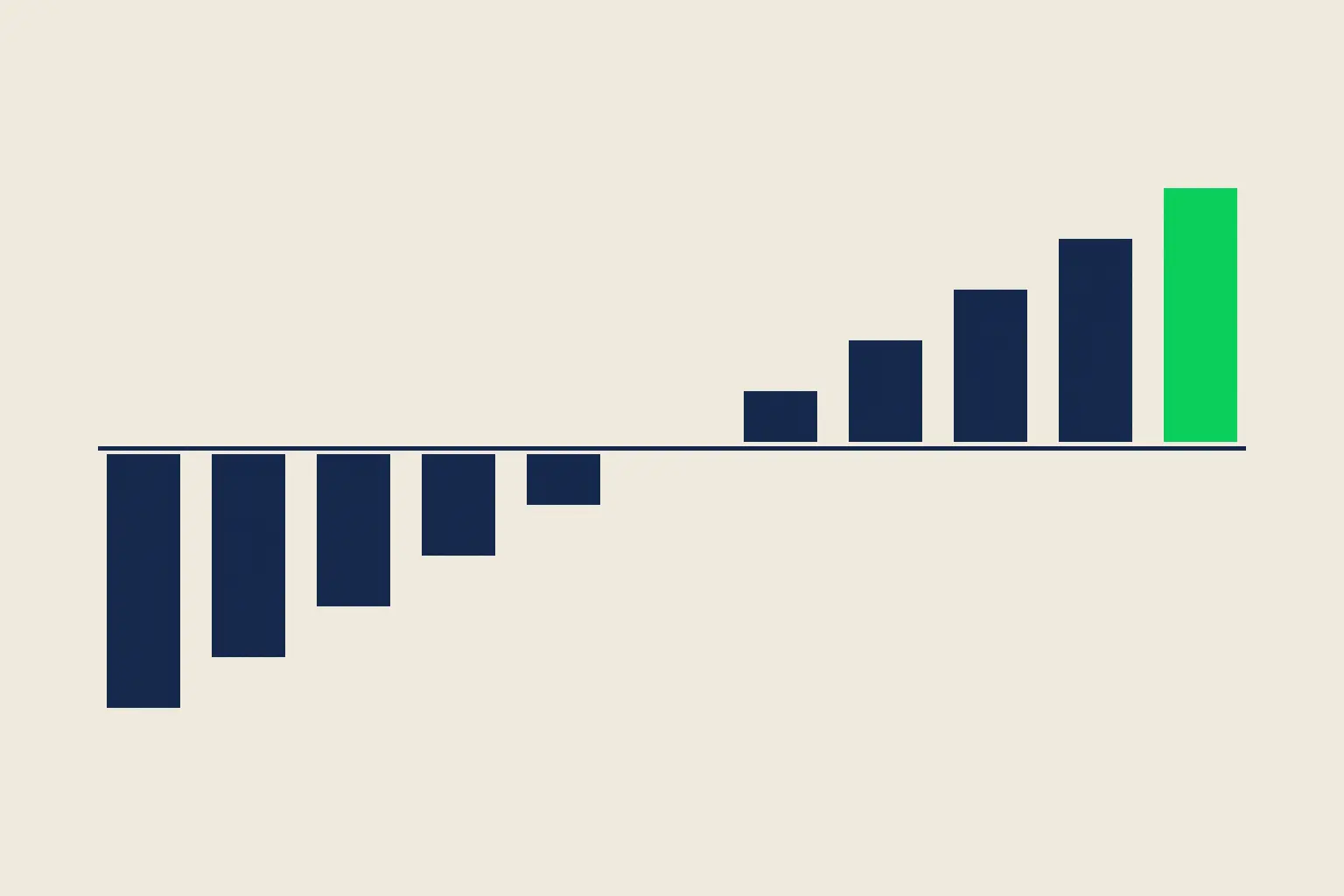
The agency market isn't shrinking, it's changing sides: WPP down 4.7% while Publicis grew 4.7%
WPP's interim results, published August 6, show revenue less pass-through costs down 4.7% like-for-like to £4.745bn. Publicis reported the same half on July 16 with 4.7% organic growth and €7.229bn in net revenue. Same market, same metric, the identical number with opposite signs: WPP's H1 operating margin was 8.4%, Publicis's 17.5%.
Diageo cut marketing by 13% and profit went up: the line that rescued the P&L was also carrying the brand
In fiscal 2026 results published August 6, the world's largest spirits maker reported marketing spend down 13.1% organically — 17.2% in Europe, 13.6% in North America, 16.3% in Asia Pacific. Organic net sales fell 2% while organic operating profit rose 2%. New CEO Dave Lewis is targeting a further $1bn in savings over three years, with a one-off restructuring cost of $1.2bn.

The merger's first report card: the new Omnicom grew 6.1% — the bill was paid by 4,000 people and 151-year-old FCB
In its first full quarter since swallowing IPG for $13 billion, Omnicom reported 6.1% organic growth on $6 billion in revenue; adjusted EBITA margin hit 17.8% and adjusted EPS rose 29% year-on-year. The other face of the same integration: over 4,000 job cuts, DDB folded into TBWA, 151-year-old FCB absorbed into BBDO, and a savings target raised to $1.5 billion.

1%
AI has pulled out advertising's bottom rung: entry-level jobs in Australia are down to 1 per cent
According to IAB Australia's 2026 talent report, only 1 per cent of open roles are entry level and half require at least six years' experience. Only 7.5 per cent of the industry's workforce is under 25.
81%
AI now writes 61% of enterprise code — and 81% of leaders say that same code blows up in production
According to CloudBees' 2026 State of Code Abundance study of 200+ enterprise technology leaders, 61% of the average enterprise codebase is now AI-generated or AI-assisted. 92% of the same leaders say they trust that code's production readiness; 81% report production failures tied to AI-generated code. Only a third of AI spending can be attributed to a concrete outcome.
75%
75% of consumers say the marketing they get is irrelevant — 60% of marketers say they send it before it's ready
In Optimizely's The Marketer's Survival Guide, a survey of 1,000 UK consumers and 100 UK marketers, 75% of consumers regularly find the marketing they receive irrelevant; 69% call it generic, 61% feel overwhelmed by the volume, and 62% trust marketing content less since brands started using AI. In the same study, 60% of marketers say they launch campaigns without the time or data to optimise them.
+285%
BrandZ 2026: Google reclaims the summit after four years, ChatGPT posts the second-biggest jump in ranking history
Kantar's BrandZ 2026 ranking shows Google reclaiming the No. 1 spot held by Apple for four years, up 57% to a $1.485 trillion brand value. ChatGPT's brand value rose 285% — the second-biggest increase in Top 100 history after BlackBerry's 390% leap in 2008. The Top 100's combined value reached a record $13.1 trillion (+22%).

82%
The agency model erodes from within: ANA in-house rate hits 82%, and 22% of CMOs name AI as the explicit reason
According to the Association of National Advertisers, 82% of its members now operate an in-house agency — up from 58% in 2013, with 65% of members having moved an established piece of business in-house within the past three years. Gartner's CMO survey rounds out the picture: 39% of CMOs this year plan to cut agency spend, and 22% explicitly cite AI as reducing their need for external agencies.
Two agencies, one voice: after merging Doner and Colle McVoy, DonerColle Partners' first move was naming a Chief Creative Officer
DonerColle Partners — formed when Stagwell brought Doner and Colle McVoy under one roof in January 2026 — named Mariana O'Kelly its first joint Chief Creative Officer on May 28, 2026, tasked with unifying both agencies under a single creative vision. O'Kelly was an executive creative director running Kellogg's at Leo Burnett. CEO Jessica Henrichs frames the hire as the moment to build the shared ambition that brings out the best of both agencies.
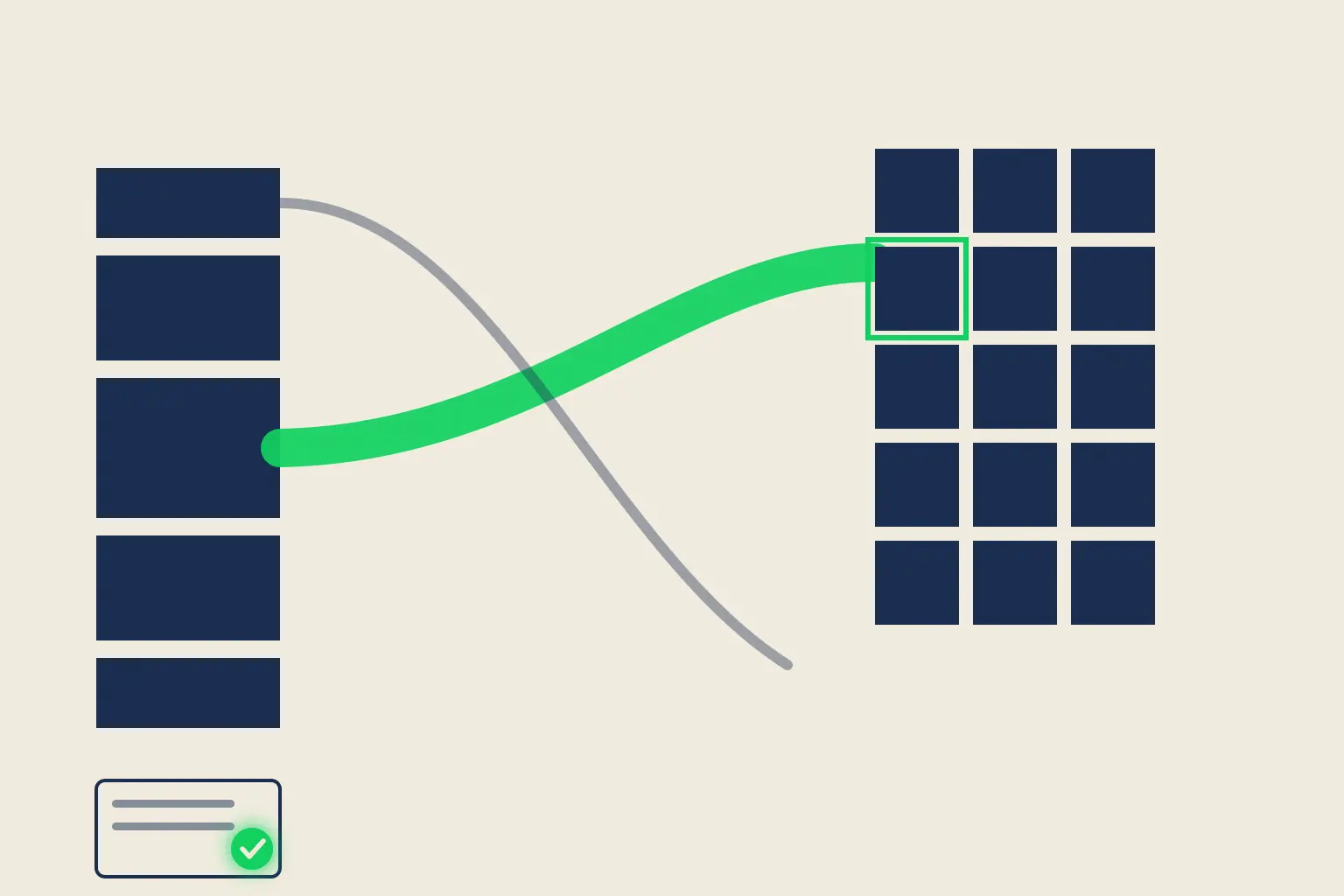
Agency holdcos absorb the AI bill: in exchange, media budget gets locked into principal inventory
According to a July 27, 2026 Digiday report, some agency holding companies are offering to cover the entire AI infrastructure bill — on one condition: a predetermined share of the media budget must run through 'principal inventory,' stock the holdco buys wholesale and resells at a markup. In one offer the share reached 70%. TAU founder Robert Webster calls it a narrative 'manufactured to justify skimming money out of media'; industry executives concede that nobody yet knows a fair price for a token.

Kroger put ads in its AI assistant from day one — starting where Walmart arrived after a year
Kroger, one of America's largest grocery chains, rolled out its AI shopping assistant — built with Cooklist — across most of its banners, and sponsored product listings were live at launch. Walmart added advertising to its Sparky assistant only a year after launching it. Existing Kroger Precision Marketing product-listing campaigns flow into the assistant with no extra setup.
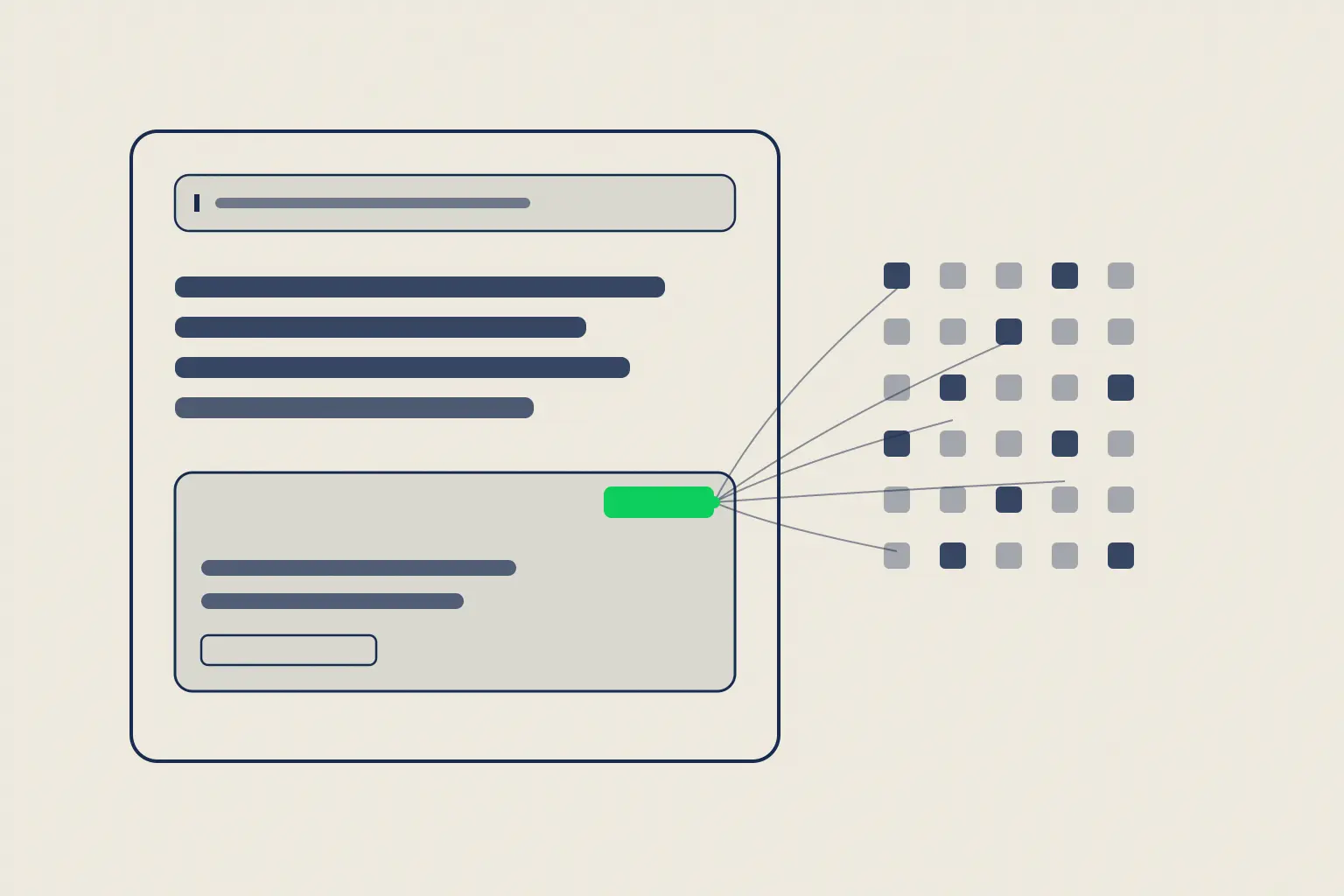
OpenAI opens self-serve ads in ChatGPT: the search box's auction model moves into the chat window
On July 22, 2026 OpenAI opened its self-serve 'Advertise in ChatGPT' Ads Manager; early advertisers include Best Buy, Lowe's and VistaPrint. Ads appear as labeled 'sponsored' blocks below responses, shown only to adult Free and Go users; Plus, Pro and Business stay ad-free, under-18s excluded. Targeting runs on conversational-context signals rather than keywords, and OpenAI says ads don't influence ChatGPT's answers. Per eMarketer, the entry barrier dropped (the pilot's $200k minimum fell to $50k) and the panel resembles Google Ads; OpenAI sets its own target at $2.5 billion in ad revenue by end of 2026 and $100 billion by 2030.
up to 40%
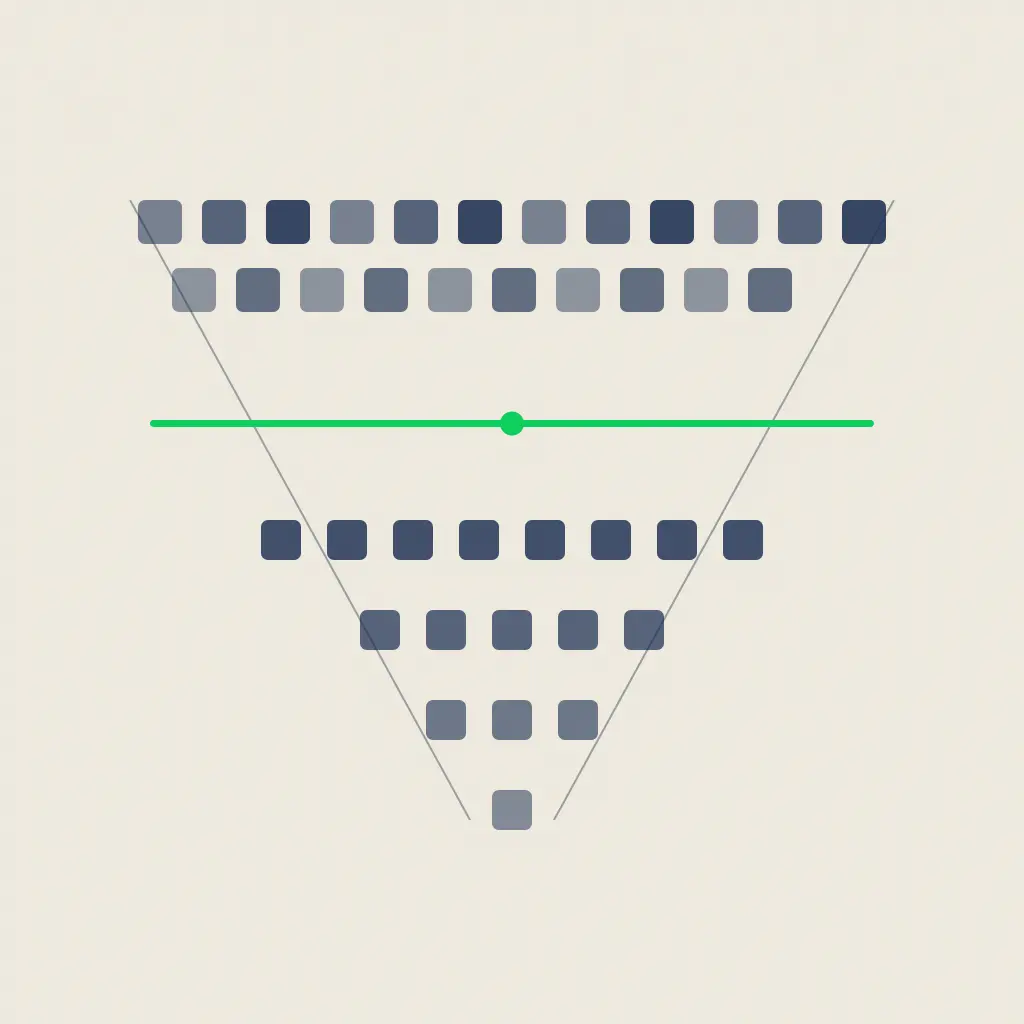
Ozone data: publisher ad inventory contracted by up to 40% in Q2 2026 — zero-click search is choking the open web's ad supply
Per Ozone data drawn from ~20 billion impressions across members including the Guardian, News UK and WSJ, shared with Digiday (July 15, 2026), publisher ad supply fell year over year in Q2 2026 by 32-37% in the U.S. and 39-41% in the U.K. The cause: zero-click AI search and AI Overviews answering the query on the page — when users don't reach the publisher's site, there are fewer pageviews and fewer ad requests. June eCPMs rose, partly offsetting the drop (UK ~30%, US ~7%), yet combined programmatic spend still fell 30.6% in the first half. Ozone COO Danny Spears attributes the decline to platforms, chiefly Google, intervening in the journey and serving content in place.
11.53%
SE Ranking study: Google AI Mode shows ads on nearly one in three commercial queries — but an advertiser's visibility doesn't convert into authority
SE Ranking analyzed 50,032 commercial keywords across 20 niches (data June 30, 2026; published July 14). 29.45% of queries returned text ads in AI Mode, rising with CPC: 24.33% below $2, 53.56% above $10. 71.1% of ad-bearing queries showed two competing ads together. The sharp disconnect: only 11.53% of advertisers appeared among AI Mode's cited sources for the very keywords they bid on; at the URL level, just 1.95%.
Google embeds image generation into Search: AI Overviews now turns your text into pictures with Nano Banana
On July 14, 2026, Google (announced by Brad Kellet, Senior Engineering Director for Search) unveiled image generation from a text prompt inside AI Overviews, powered by Google's Nano Banana model. It rolls out over the coming weeks, starting in English and in regions that already support image creation in AI Mode. The announcement coincided with a redesigned Google Images homepage marking the service's 25th anniversary.
The AI Act's transparency rules take effect on August 2: the labelling era for AI content
Article 50 of the EU AI Act enters into application on August 2, 2026: interactive AI systems must disclose themselves, deepfakes must be clearly marked, and AI-generated content must carry machine-readable labels. Generative systems already on the market were granted a watermarking grace period until December 2, 2026. Transparency violations carry fines of up to €15 million or 3 percent of global turnover.
Platforms attach their own labels: Google's 'How this ad was made' and Meta's automatic AI notice
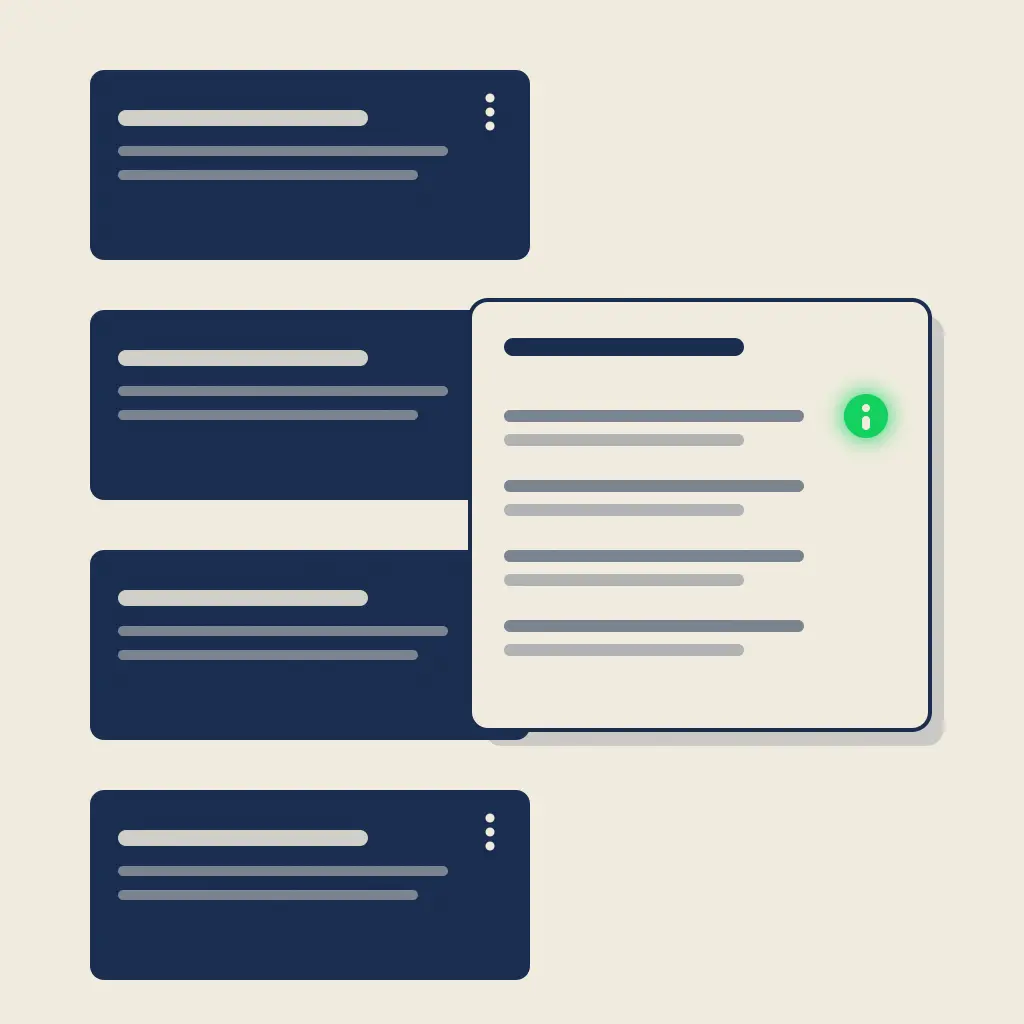
Google added a 'How this ad was made' section to its My Ad Center panel showing whether an ad was created or edited with AI; the feature is available to all users globally across Search, YouTube and Discover. The same week, Meta began adding an automatic notice to its 'About this ad' menu whenever its system detects AI involvement. Weeks ahead of the AI Act's August 2 threshold, the platforms built their own transparency infrastructure.
Dentsu wires Meta's creator APIs into its own system: activation that took days now takes hours
Dentsu UK&I announced Creator & Trends Studio, integrating Meta's Creator Marketplace and Partnership Ads APIs into its own platform: trend listening, creator selection and paid activation in one dashboard. Creator discovery dropped from hours to minutes, and planning and activation workflows accelerated by up to 4x. According to Meta, Dentsu is among the first holding companies to embed the full API offering into its own tech stack.
ChatGPT ads just learned to target: custom audience uploads and bid adjustments arrive
OpenAI added custom audience uploads via email and phone lists to the ChatGPT ad platform, along with advanced audience-based bid adjustments. Together with June's AI-generated ad variations — served only after advertiser approval — the platform moves a step closer to the first-party data targeting of Google and Meta.

Amazon's agentic ads via Alexa+: from seeing to buying in a single conversation
At Cannes Lions, Amazon unveiled Alexa+ Agentic Ads in beta: the first ad format that takes a customer from seeing an ad to completing a purchase entirely within the conversation. As the first true agentic ad product from a major platform, it compresses the conversion funnel into a single dialogue.
The balance sheet of Cannes Lions 2026: the generative spectacle leaves the stage, silent agents get to work
The festival's dominant theme this year was agentic AI: models that generate content in place of humans fell from favour, while tools that quietly carry the workload rose. That audiences quickly detect AI-generated content and pull away from the brand became the industry's shared admission.

OpenAI declares itself an advertising business at its first Cannes Lions
At its first official Cannes Lions appearance, OpenAI announced through CRO Denise Dresser that it is now fully in the advertising business. The ChatGPT ads product, launched in February 2026, expanded to international markets within 19 weeks and added CPC pricing. The company targets $100 billion in ad revenue within four years.

Meta built an AI that memorizes your brand: Brand Memory now runs creative end to end
At Cannes Lions 2026, Meta announced an end-to-end AI creative tool that unifies campaign creation, testing and launch into a single flow inside Ads Manager. It also introduced Brand Memory, which learns a brand's identity from its existing ads, and a Creator Marketing Hub opening in late 2026. The company claims every $1 spent on Meta generates $4.13 in revenue.
WPP gives up on being a holding company: Cindy Rose's Elevate28 plan tears the structure down
Alongside results showing 2025 revenue down 8.1 percent, WPP CEO Cindy Rose announced Elevate28, a strategy converting the company from a holding structure into a single operating company. The plan creates four core divisions — Media, Creative, Production and Enterprise Solutions — and consolidates Ogilvy, VML and AKQA under WPP Creative. It targets £500 million in annualised gross savings by 2028.
In New York, AI actors can no longer hide: mandatory disclosure law takes effect
Signed in December 2025 and the first of its kind in the US, the law took effect on June 9, 2026: conspicuous disclosure is now mandatory when ads use AI-generated synthetic performers. The law covers film, TV, social media and digital advertising platforms. According to law firm analyses, violations carry a $1,000 penalty for a first offense and $5,000 for repeats.
1,000
Field data: Meta's fully automated ads vision delivers mixed results in practice
According to a Marketing Brew field report, Meta's vision of full automation by end of 2026 — enter a credit card and a business goal — is producing mixed results in practice. The Andromeda ad retrieval system demands far more creative assets, with one cited campaign requiring 1,000 assets. Agencies report diminished targeting controls and spend shifting to lower-quality placements.
<½
The price of video generation just got cut in half: Google's new Veo 3.1 Lite undercuts Fast
On March 31, 2026, Google released Veo 3.1 Lite, its lowest-cost video generation model, as a paid preview via the Gemini API. Priced below half of Veo 3.1 Fast, it supports text-to-video and image-to-video, producing 4-8 second clips in 16:9 and 9:16 ratios at 720p/1080p. Google also announced a price cut for Veo 3.1 Fast effective April 7.
Google puts an agent in the marketer's chair: Ask Advisor runs everything from Ads to Analytics
At its Marketing Live event on May 20, 2026, Google announced Ask Advisor, a Gemini-based agent unifying Google Ads, Analytics, Merchant Center and Marketing Platform. New ad formats that adapt instantly to queries in AI Search and a revamped Asset Studio were introduced. Agentic commerce infrastructure including the Universal Commerce Protocol and Universal Cart was also announced.
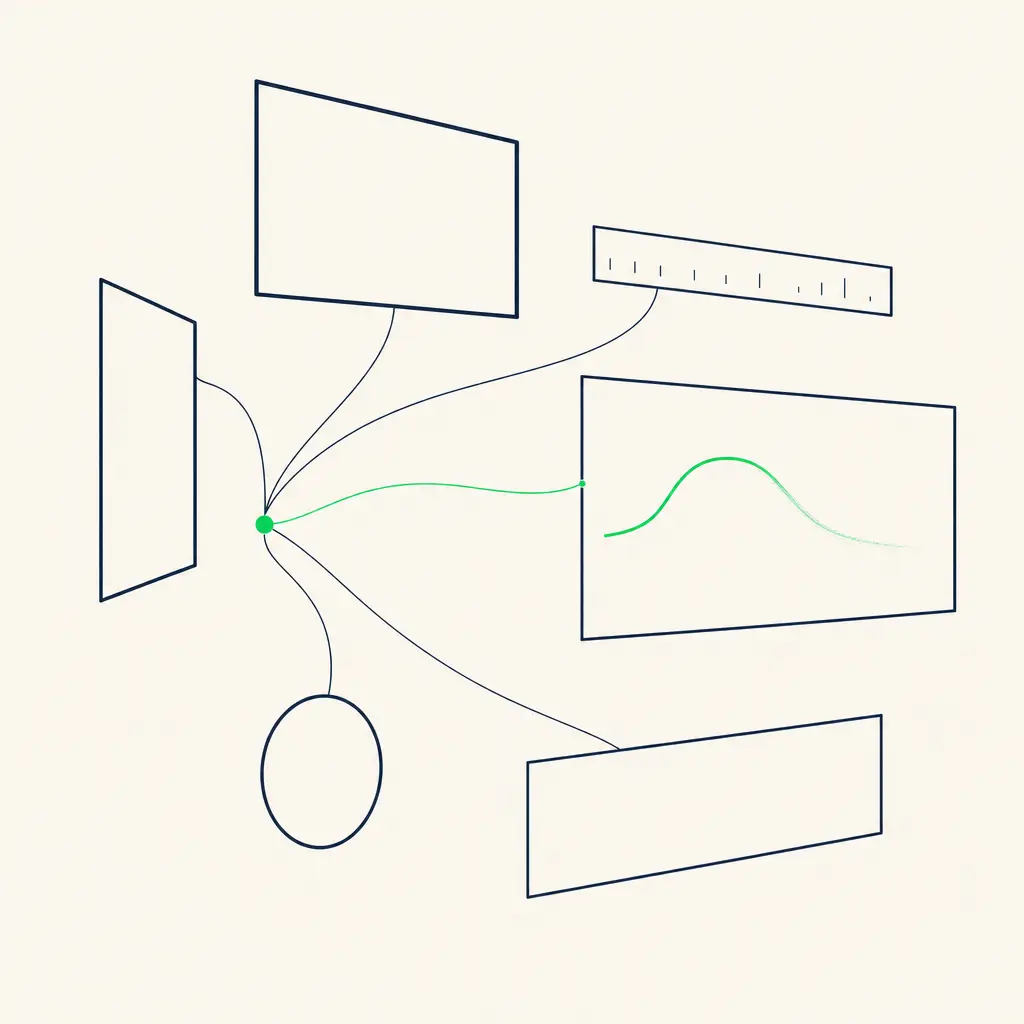
Adobe puts an agent in charge of Creative Cloud: meet Firefly AI Assistant
Adobe announced its creative agent, Firefly AI Assistant, on April 15, 2026. The assistant executes multi-step workflows across apps like Photoshop, Premiere, Lightroom and Illustrator from a single conversational interface, retains context across sessions, and can make automatic revisions based on Frame.io feedback. Firefly offers access to more than 30 models including Kling 3.0, Google Veo and Runway Gen-4.5.
Unwritten Rules
When a company starts automating, the first thing it meets is its own unwritten rules, well before it meets the technology. Through Michael Polanyi's idea of tacit knowledge: why AI agents first work as a mirror inside organisations, and why the real job of an automation project is a writing job.