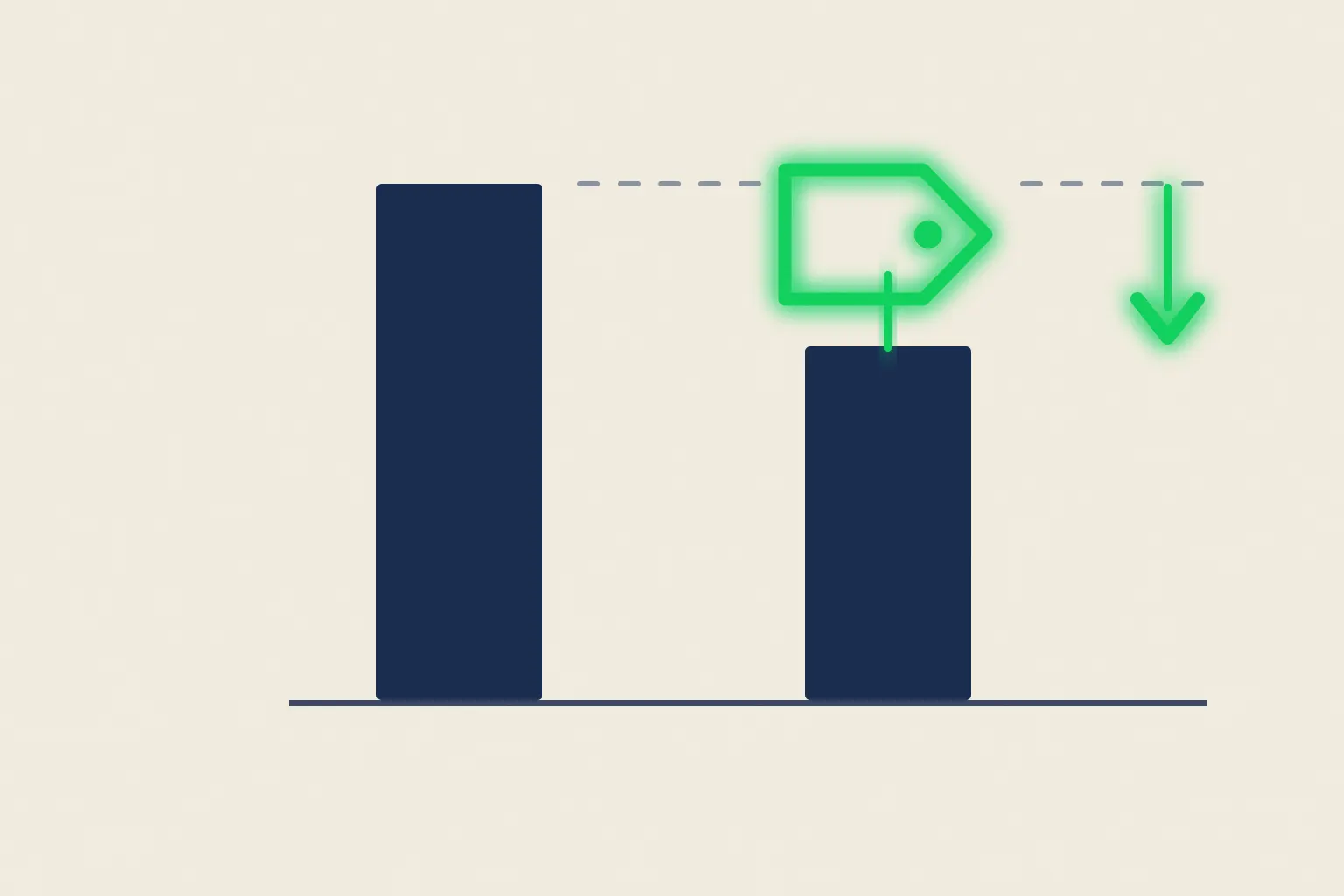
What happened. On 18 August IAB published the second version of its AI transparency and disclosure framework. The rules had changed in between: Article 50 of the EU AI Act and California’s SB 942 took effect on 2 August, and New York’s synthetic performer law began in June. The framework separates what needs a label. Images and video generated from a prompt, synthetic voices and avatars, and chat assistants that could pass as human need one. Routine post-production and obviously fantastical imagery do not. The data behind it comes from a field study by NYU Stern and Emory researchers: saying an ad was made with AI cuts clicks by 31.5 per cent. Without a label, fully AI-generated ads beat those made by human experts by up to 19 per cent. In IAB’s survey 83 per cent of ad executives use AI in their creative process.
The bigger picture. What wins when silent loses when it speaks. That gap is no longer a matter of conscience but a budget line. Wherever a regulator does not force it, silence has a ready excuse, and the side that knows what a label costs decides where labelling stops. That is also why how Meta and Google display their own “made with AI” labels is not a design decision but a revenue one.
For executives: Map your AI use against the EU and California rules now. Label where it is required, test as you do, and measure the effect.